The Department of English at Deva Matha College, Kuravilangad, is firmly committed to a model of education that extends well beyond the boundaries of the classroom. Recognising that literature, language, and the arts are best understood through lived experience, the department has consistently invested in a wide range of experiential learning initiatives that equip students with practical skills, critical awareness, and a meaningful engagement with the wider world.
These initiatives span the performing arts, creative writing, pedagogy, community outreach, and academic research — together forming an integrated approach to humanistic education that prepares students not just as scholars, but as thoughtful, capable, and empathetic individuals.
Theatre and Performing Arts
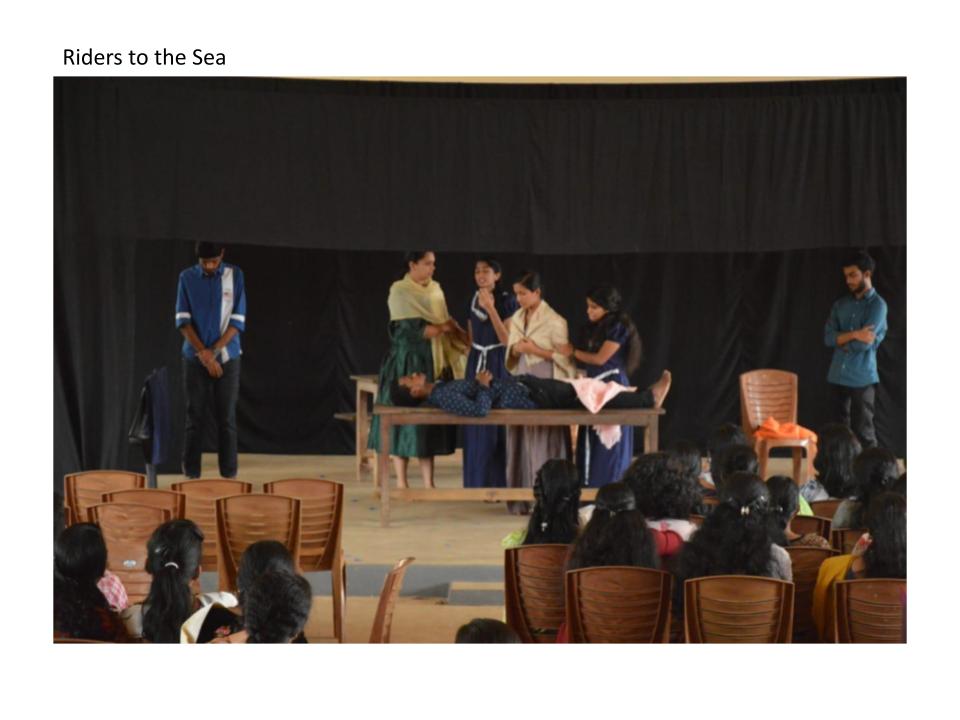
Support for DMELA Theatre Productions
The department actively supports DMELA (Deva Matha English Literary Association), the students’ literary association, in organising and staging theatrical productions. Theatre is understood not merely as extra-curricular activity but as a vital mode of experiential learning — one that develops confidence, teamwork, interpretive skill, and an embodied understanding of literary texts.
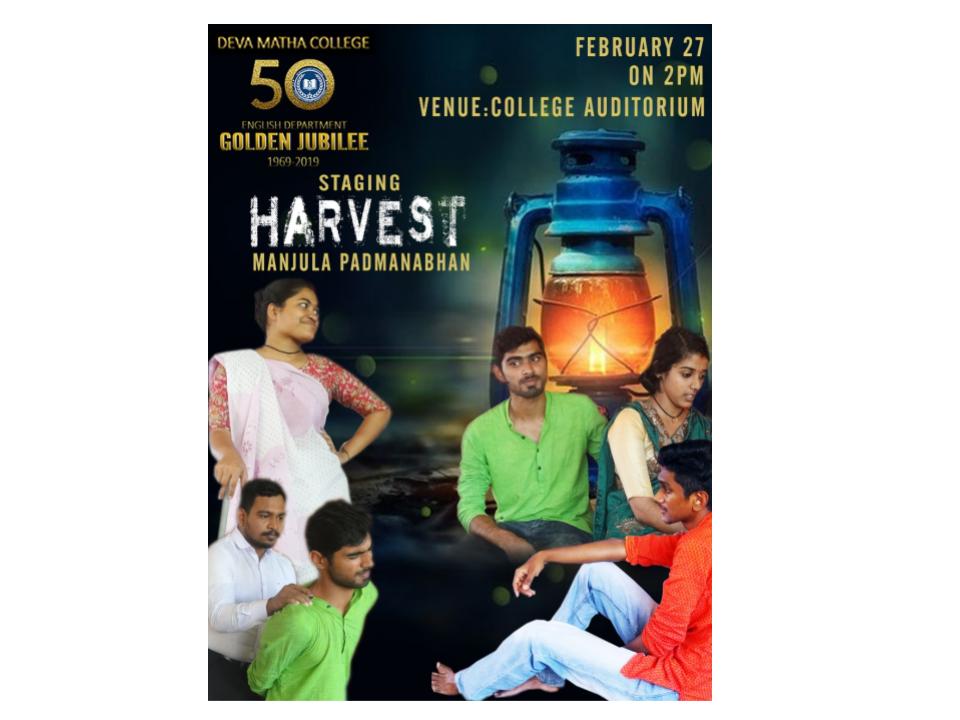
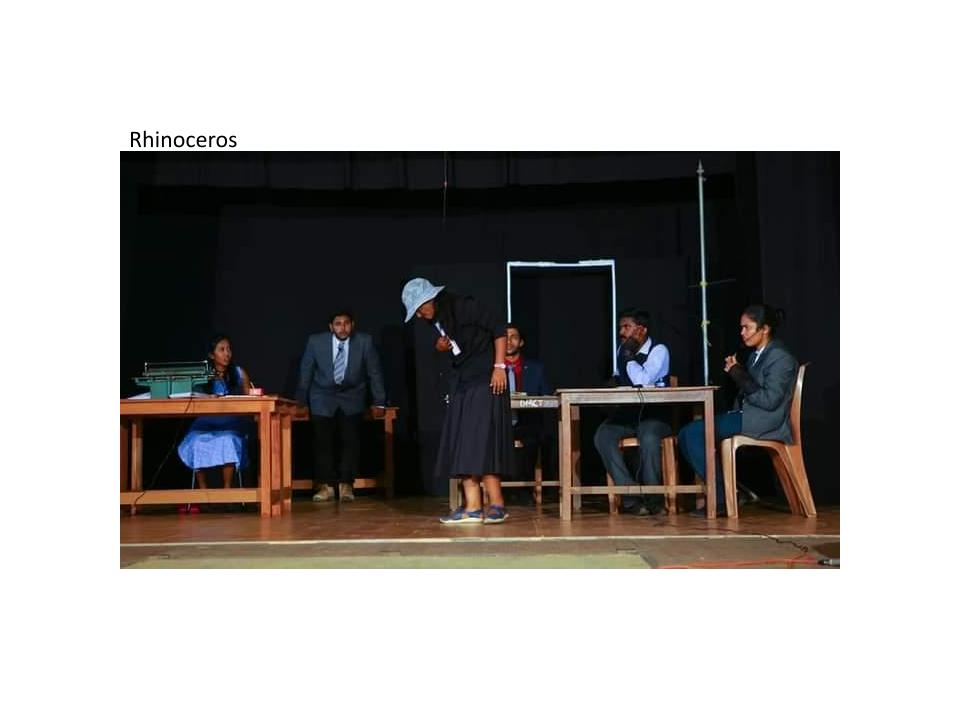
Under its drama sub-wing ALAG (Avon Legend Awareness Group), students have performed major works of world theatre, including Sophocles’ Antigone, Lorca’s Blood Wedding, Ionesco’s Rhinoceros, Girish Karnad’s Hayavadana, and Manjula Padmanabhan’s Harvest. These productions bring students face to face with complex dramatic traditions and demand a rigorous, creative engagement with the texts they study.
Poetry Workshops with the Kerala Sahitya Akademi
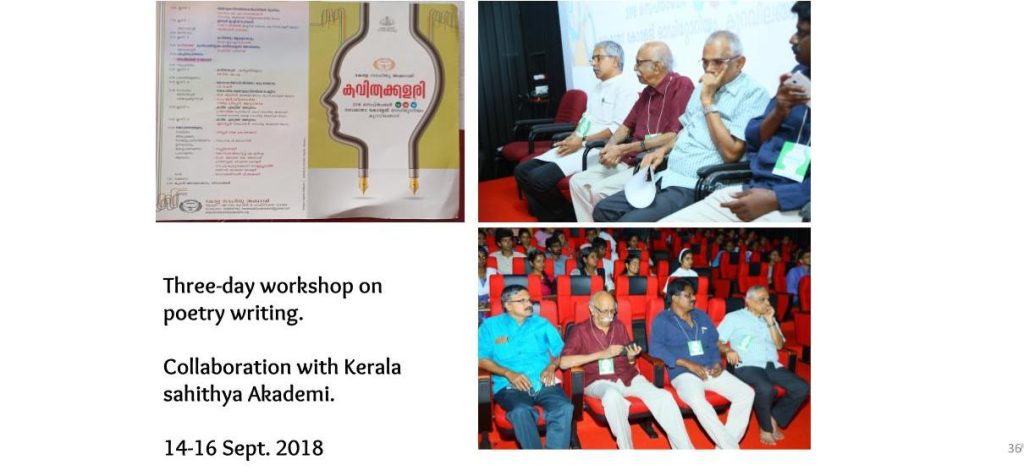
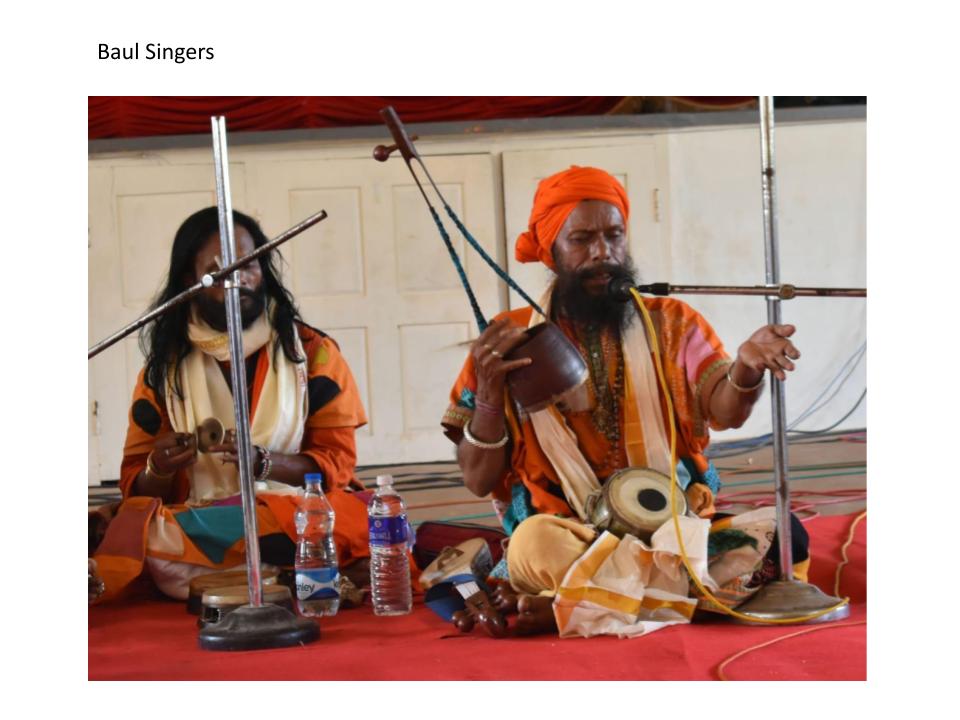
The department collaborates with the Kerala Sahitya Akademi — the premier literary institution of Kerala — to conduct workshops on poetry for students. These workshops bring celebrated poets and literary figures into direct conversation with students, offering perspectives on the craft of poetry that go far beyond what textbooks can provide.
Students are exposed to the traditions of both Malayalam and English poetry, encouraged to write and share their own work, and guided through close readings and creative exercises. The partnership with the Akademi lends these workshops a prestige and depth that significantly enriches the literary culture of the department.
Teaching English as a Second Language — Pedagogical Outreach
Language Empowerment & Acquisition Programme
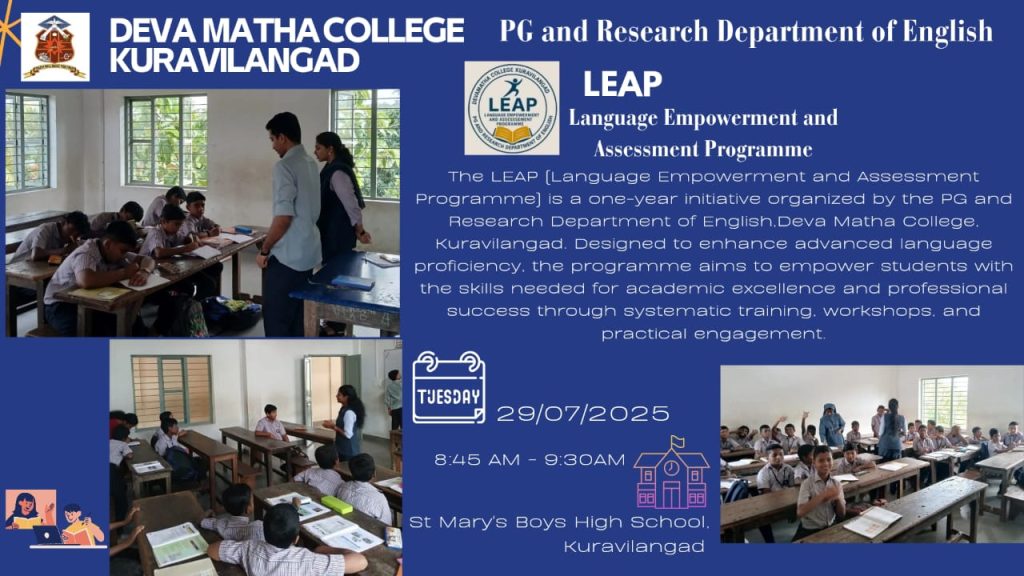
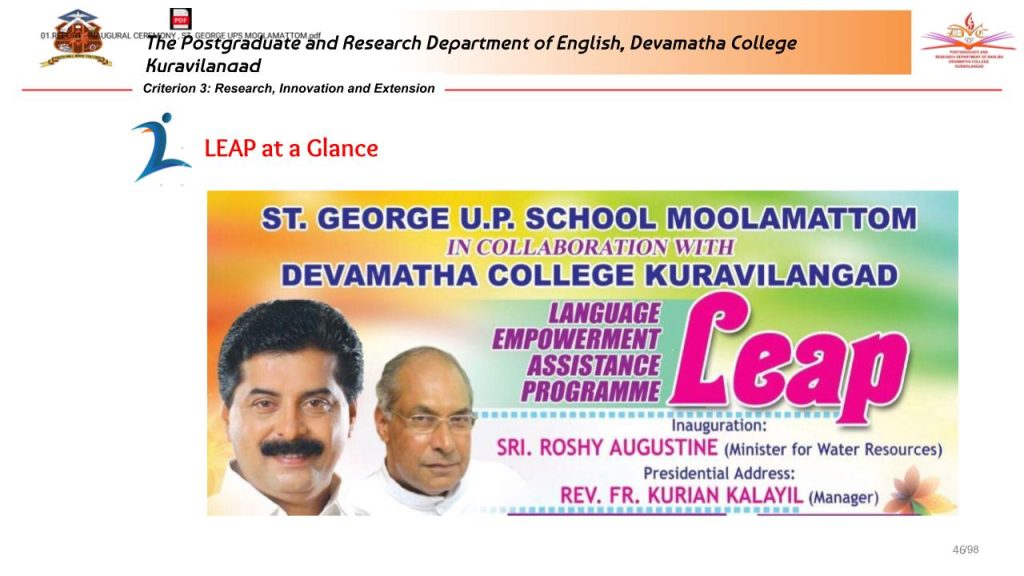
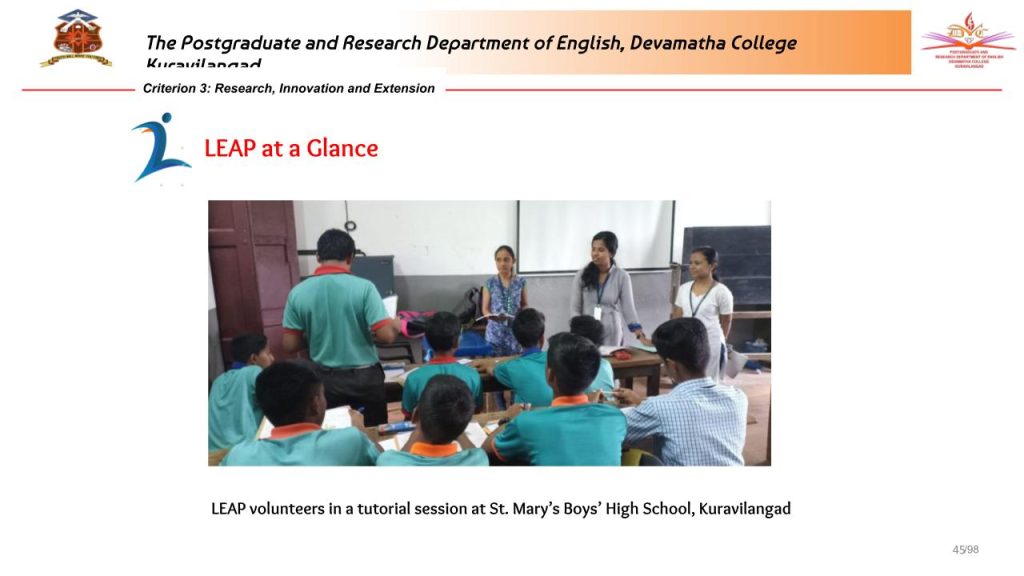
The department creates opportunities for students to participate in literacy programmes and
initiatives that involve teaching English as a Second Language (ESL). These outreach activities
place students in real teaching and facilitation roles, allowing them to apply their linguistic
knowledge in meaningful community contexts.
As part of the department’s commitment to pedagogical experimentation, arrangements are made for interested students to conduct sessions in nearby schools. Under appropriate supervision, students engage with school students in English language and literature activities, functioning as junior educators and language facilitators.
This initiative serves a dual purpose: it provides the school students with additional, enthusiastic engagement in English, while giving the college students a formative experience of classroom dynamics, lesson planning, and the rewards and challenges of teaching. It nurtures a sense of social responsibility alongside professional readiness.
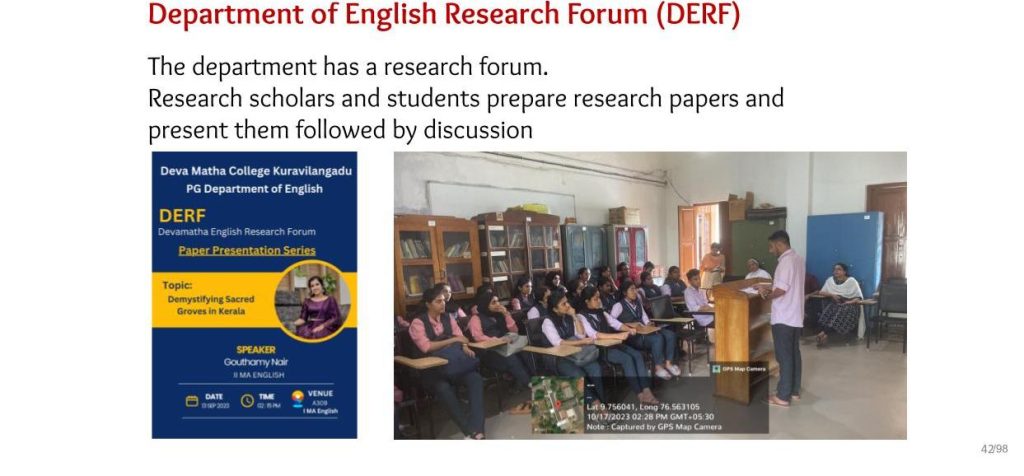
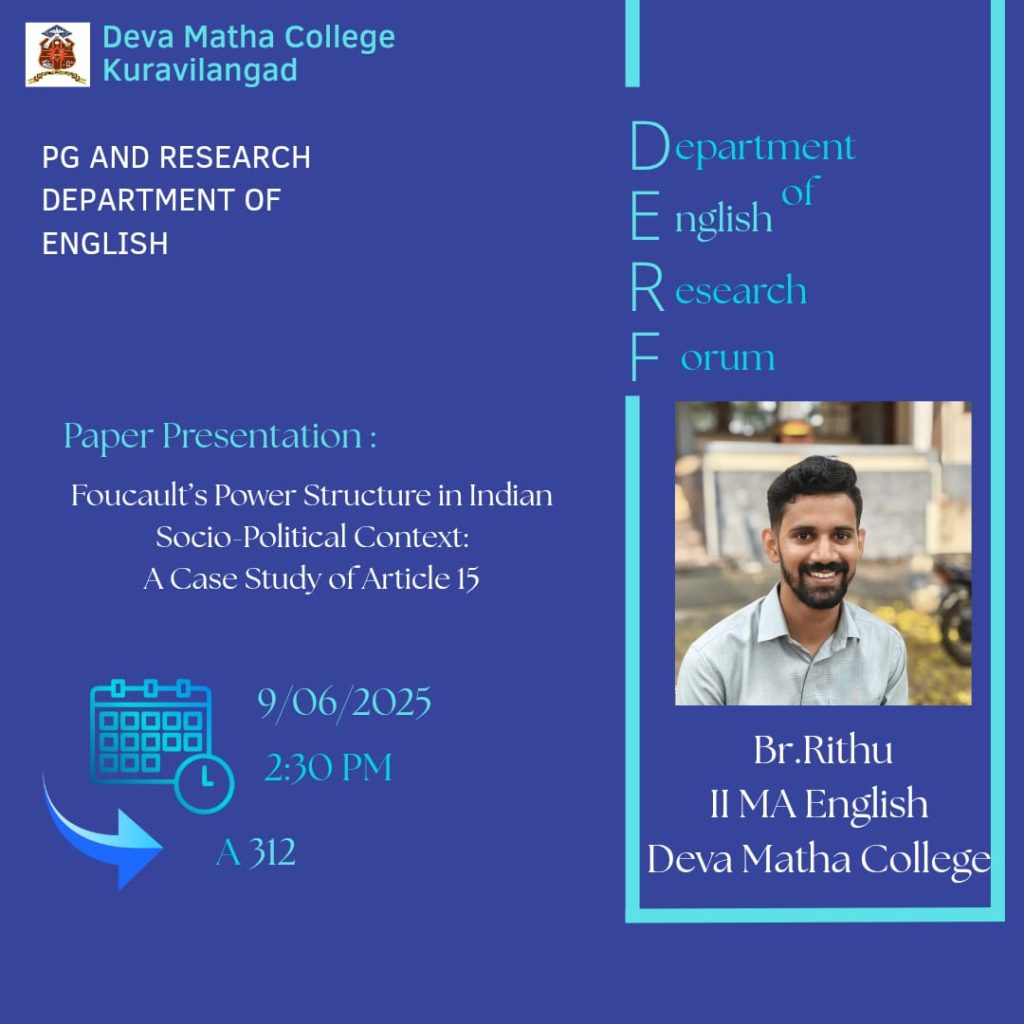
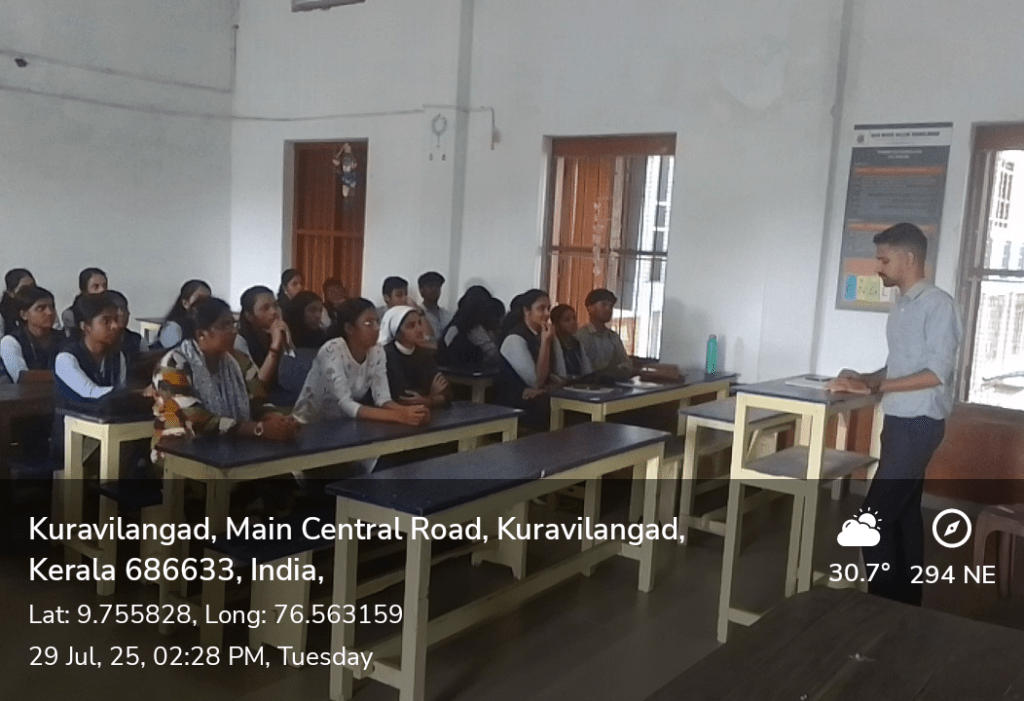
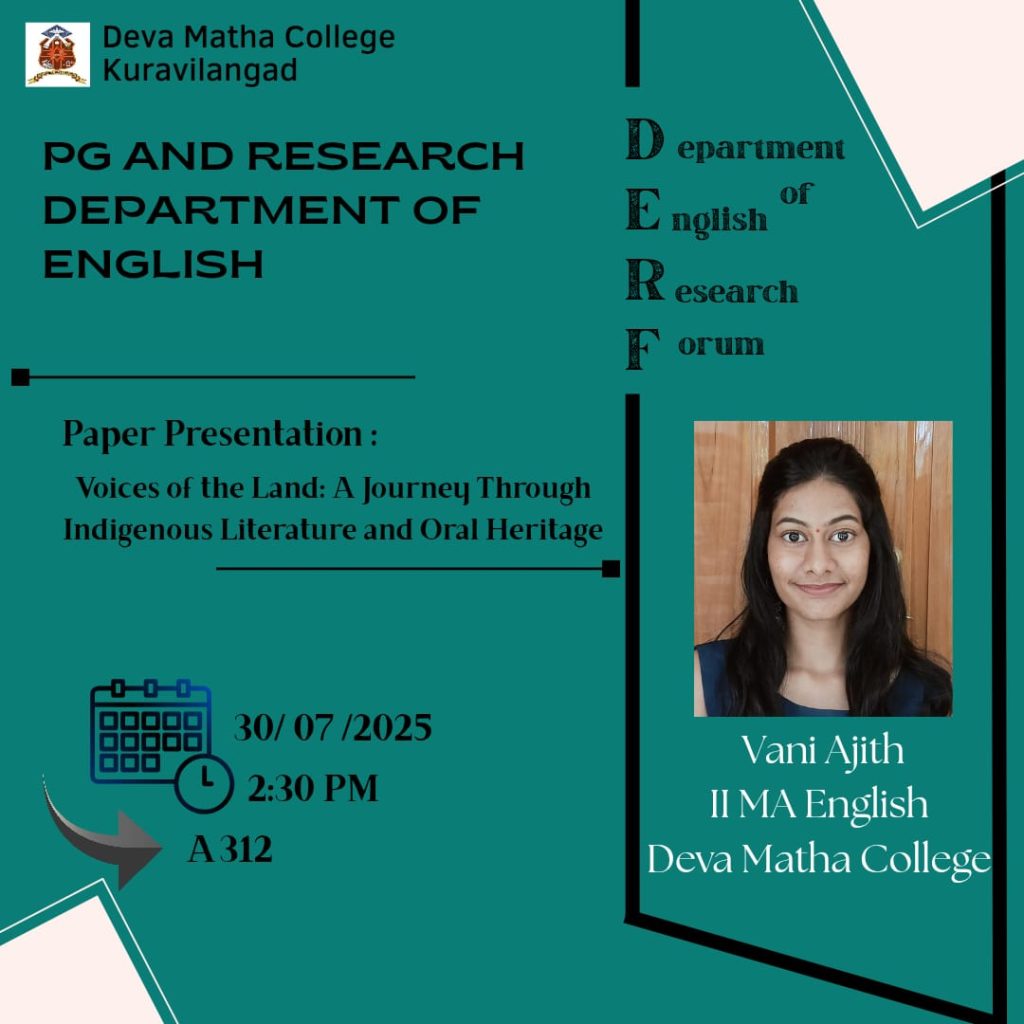
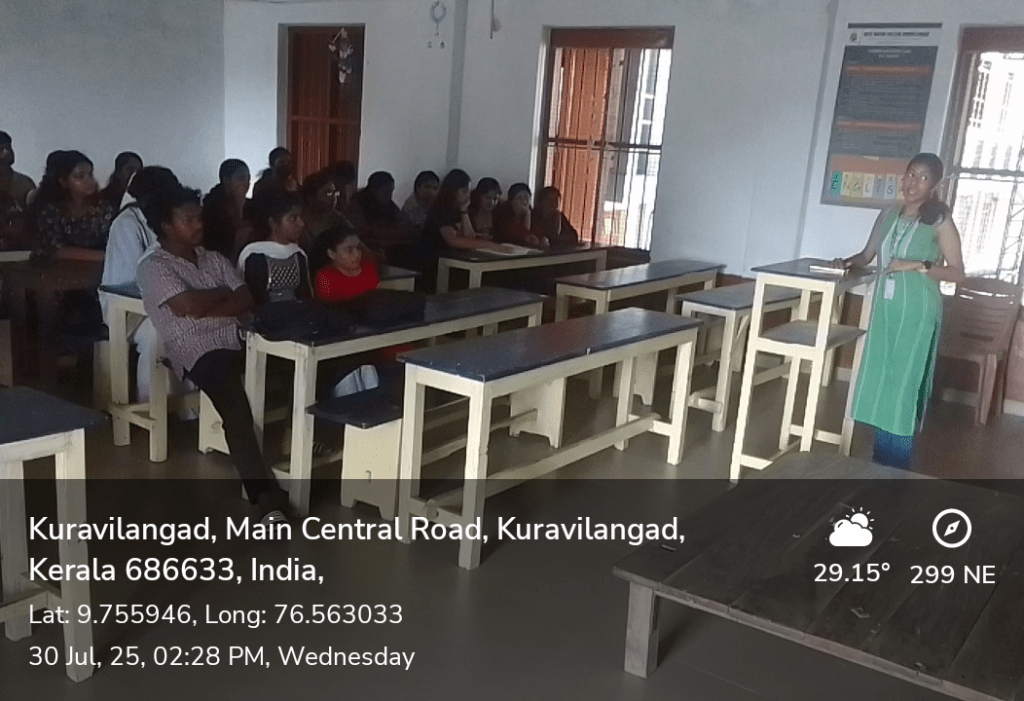
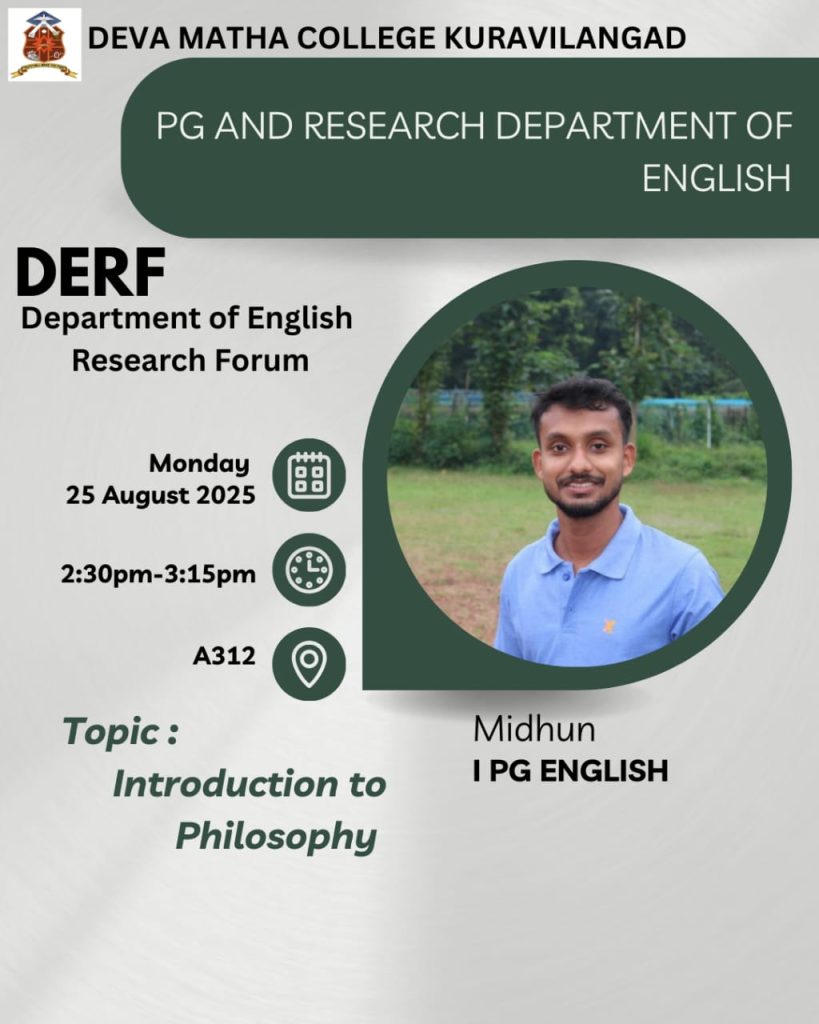
DERF Paper Presentation Series
The department places a strong emphasis on developing the research and analytical capacities of its students. Experiential learning in this domain takes the form of seminars, paper presentations, literary discussions, and sustained independent inquiry into literature and critical theory.
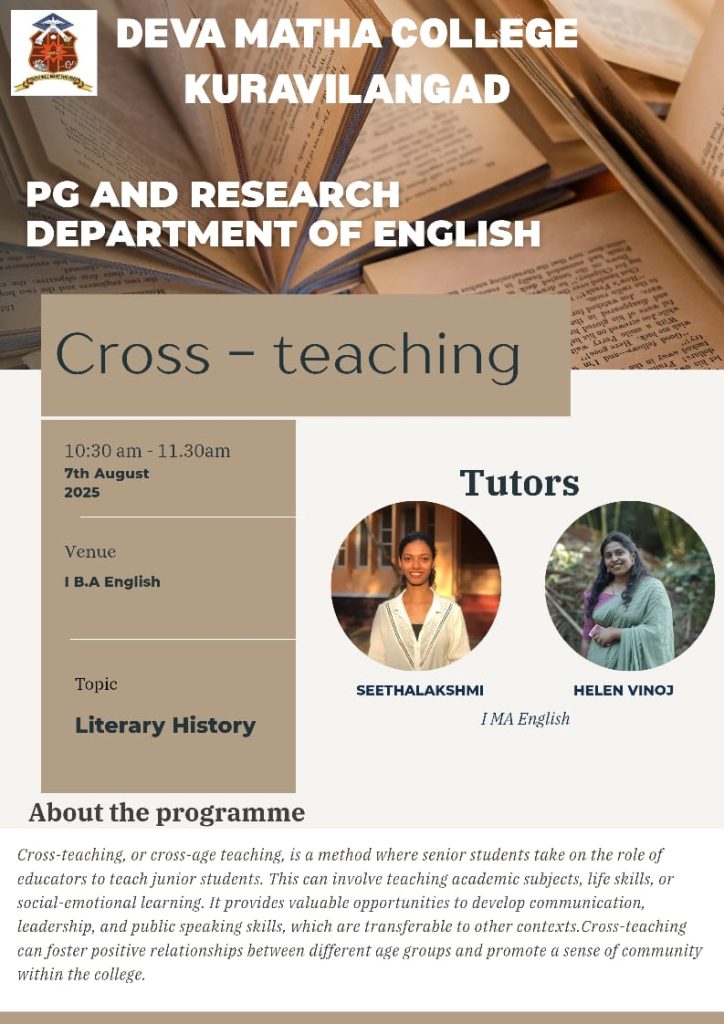
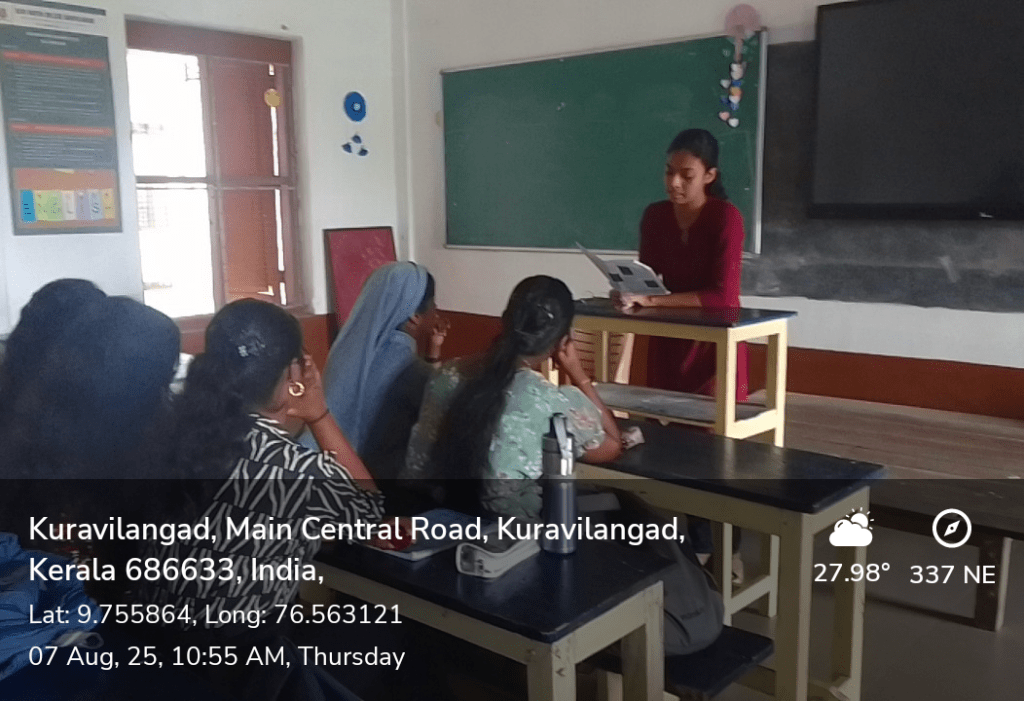
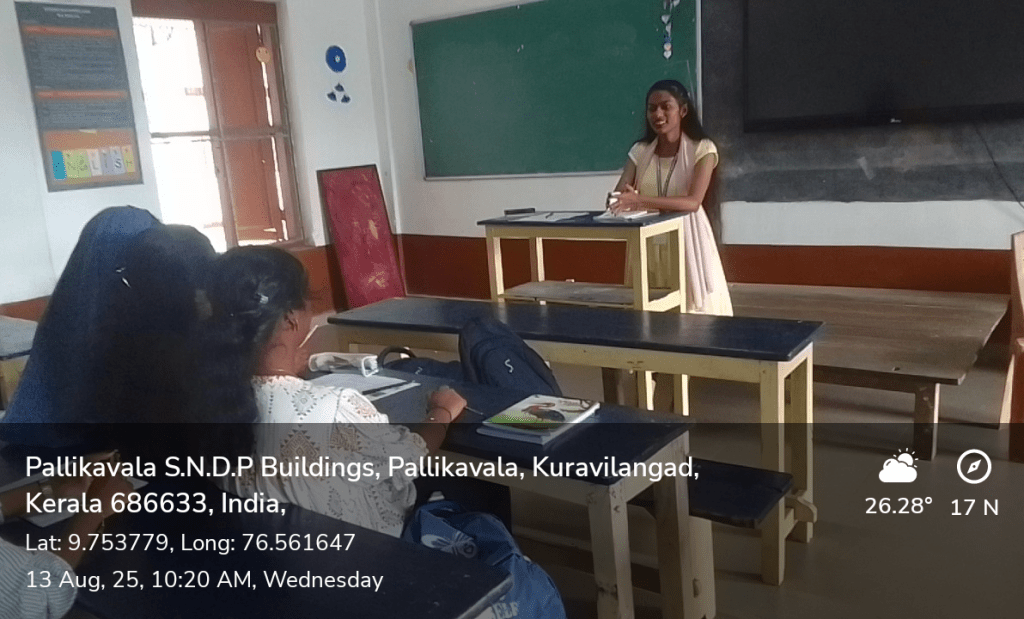
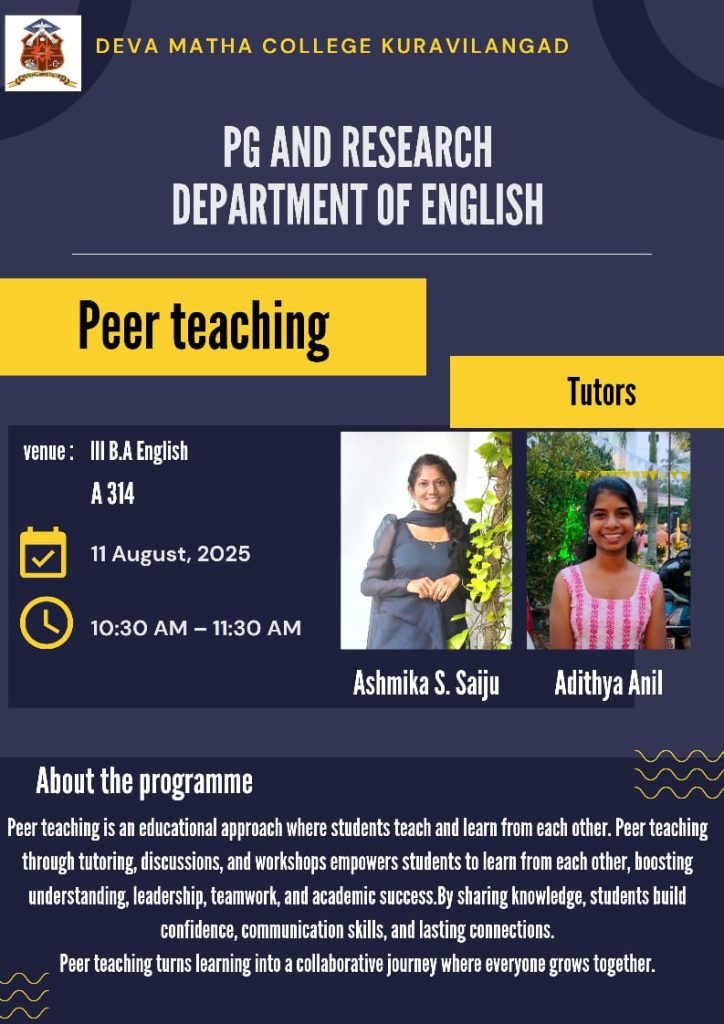
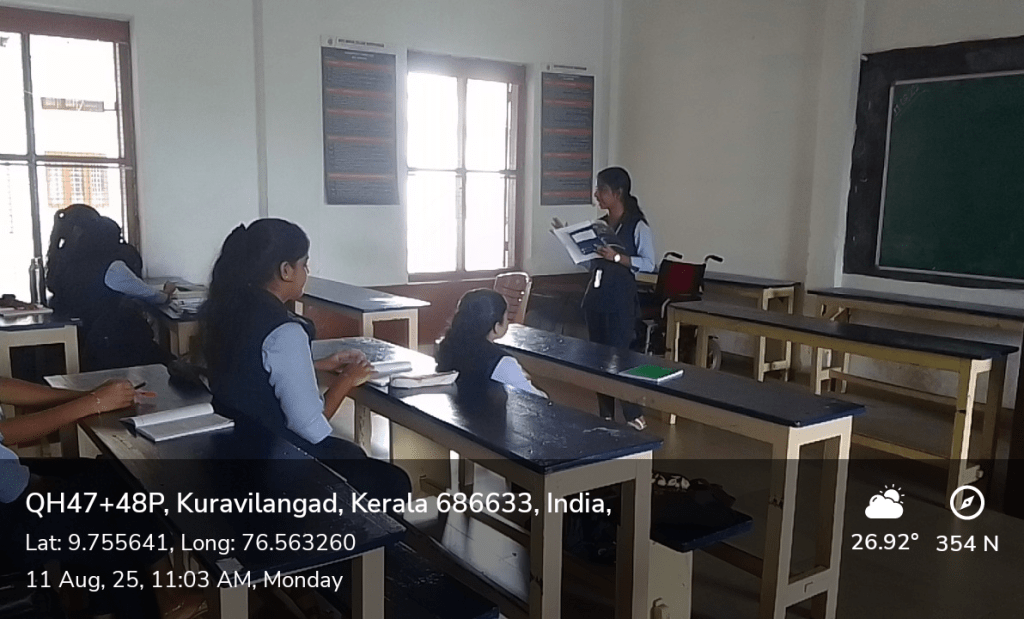
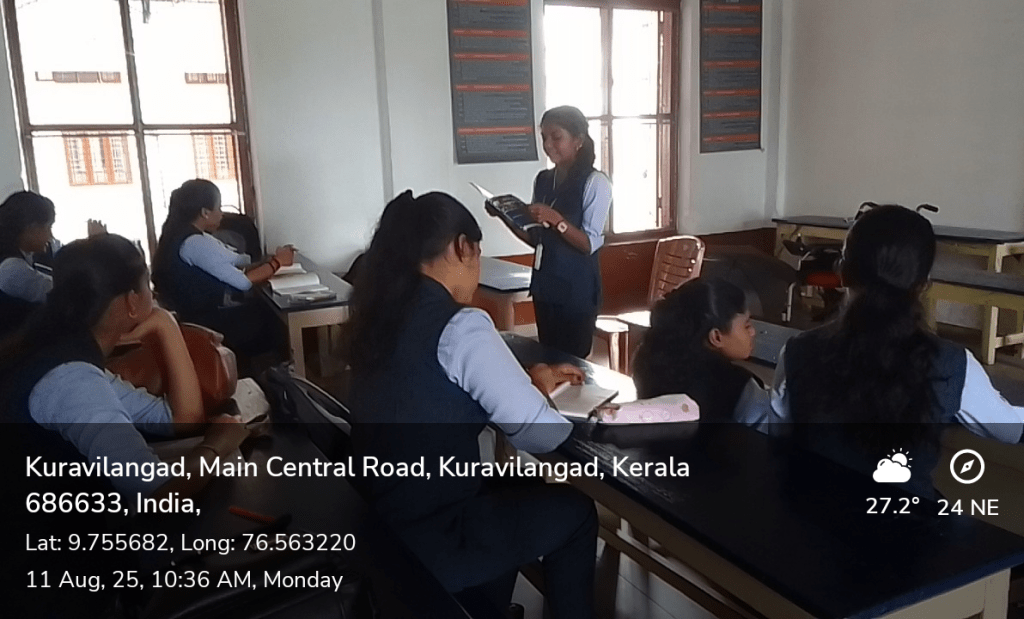
Peer Teaching and Cross Teaching
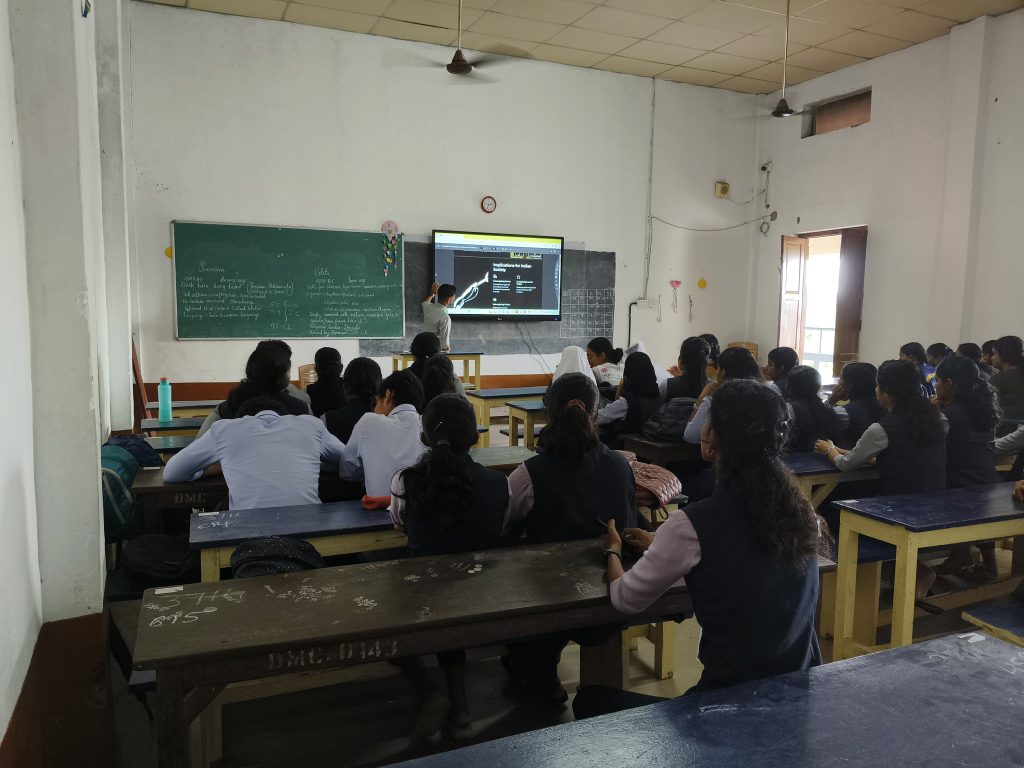
Both the undergraduate and the postgraduate students engage in Peer teaching and Cross teaching as part of Experiential Learning strategies. Peer teaching is a teaching method in which students teach other students of the same level or group. One student (or a small group) explains a topic, concept, or skill to classmates under the guidance of the teacher. Cross teaching (often called cross-teaching or reciprocal teaching) refers to a situation where students or teachers teach learners outside their usual group, subject, or class.